Lush Landscapes Await: Manscaped's Guide to Lawn Transformation May 06, 2026
To begin your journey to a greener lawn, it's crucial to understand the specific needs of your grass type. Different grasses thrive under different conditions, whether it's shaded areas or full sun exposure. Knowing your grass's preference will help you tailor your care routine accordingly, ensuring optimal growth and sustainability. Whether it's Bermuda, Kentucky Bluegrass, or Fescue, understanding your lawn's DNA is the first step toward a successful transformation.
Soil health is the foundation of a lush lawn. Testing your soil's pH levels is essential in assessing its fertility. A balanced pH will support healthy grass growth, allowing nutrients to be absorbed efficiently. Most grasses prefer a pH level between 6.0 and 7.0. If your soil is too acidic or too alkaline, amending it with lime or sulfur might be necessary. Regular soil testing and amendments will set the stage for robust lawn development, ensuring the roots receive the vital nutrients they need.
Watering your lawn effectively is a common challenge many homeowners face. Striking the right balance between too much and too little water is key. Water deeply and infrequently to encourage deep root growth. Early morning watering is recommended to minimize evaporation and reduce the risk of disease. Investing in a quality sprinkler system can help ensure consistent and even coverage, helping your lawn to remain hydrated and lush.
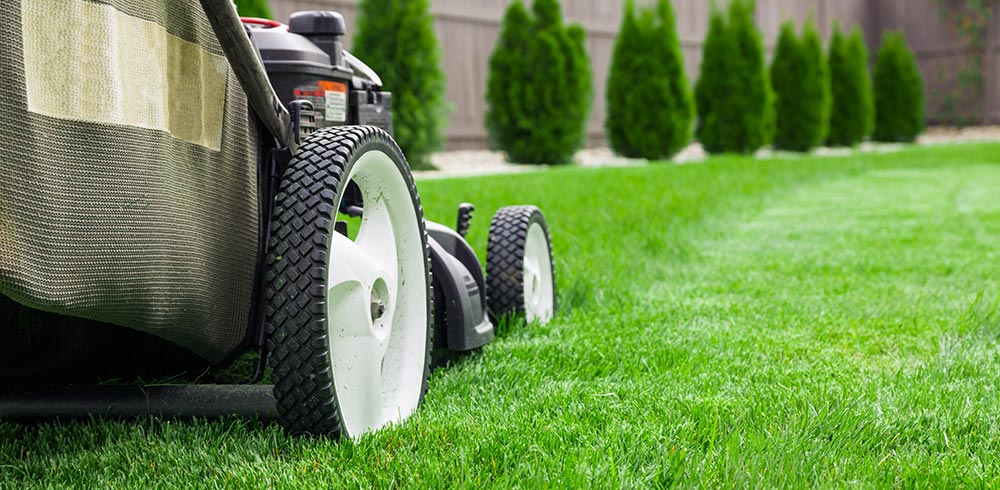
Next on the checklist is proper mowing. The height at which you cut your grass significantly impacts its health. Avoid cutting more than one-third of the grass height in a single mow, as this can stress the plant. Keeping your mower blades sharp is equally important to achieve a clean cut and prevent grass from fraying, which can lead to disease. Regular mowing, adjusted to the season and growth pattern, fosters a neat and healthy lawn appearance.
Fertilization is essential for maintaining nutrition levels in your lawn. Opt for a slow-release fertilizer to provide a steady supply of nutrients over time. Timing is crucial, with applications typically needed in early spring and late fall when grass is growing most actively. However, the frequency can vary based on grass type and climate conditions. Keep track of the nutrient needs of your lawn to avoid over-fertilization, which can damage your grass and the environment.
Lastly, managing weeds and pests effectively will safeguard your lawn's health and appearance. Implementing a pre-emergent weed control in early spring can help prevent weed seeds from taking root. For ongoing pest issues, consider integrated pest management practices, which combine minimal chemical use with natural solutions, promoting a more sustainable and healthy lawn environment.
In conclusion, transforming your lawn into a lush and thriving landscape requires understanding its unique needs and providing tailored care. By focusing on soil health, proper watering, mowing, fertilization, and pest management, your lawn can become the envy of the neighborhood. At Manscaped Lawn Care, we're dedicated to guiding you every step of the way, ensuring your lawn achieves its full potential as a captivating and sustainable outdoor space.